

01
Recover resources
Sorting and processing are designed to expand material use and support responsible residue management.
Sustainability
Sustainability starts with how materials are handled. We focus on finding more uses for recovered materials through sorting, processing, and connections with end-user needs.
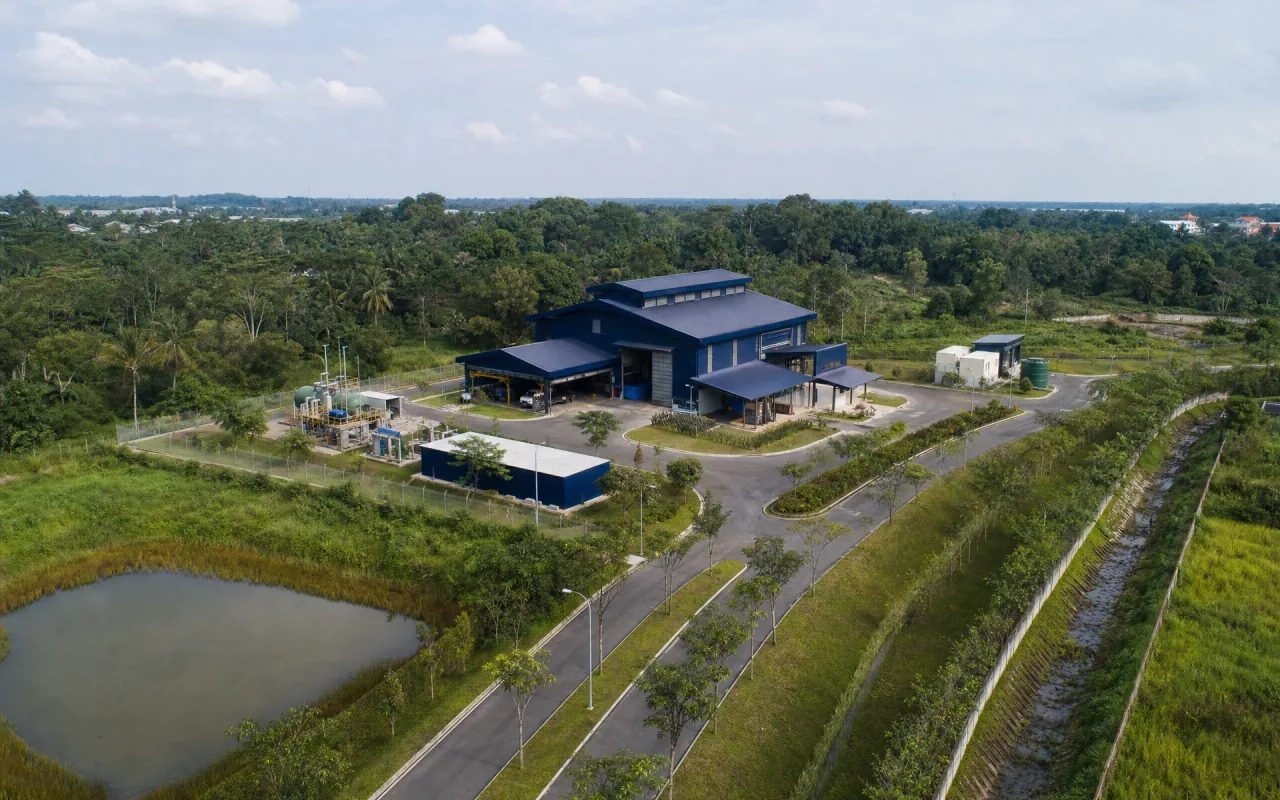
Our approach considers material recovery alongside product quality, industrial requirements, and local participation.
Sorting and processing are designed to expand material use and support responsible residue management.
Quality, logistics, and application requirements guide the development of products relevant to end users.
Collaboration can address regional needs, source separation, and the roles of local authorities, industry, and communities.
Impact assessment connects material flows, output quality, and resource use with clearly defined boundaries and methods. The following priorities guide the measurement approach.
Incoming volumes, composition, recovered materials, and residues are the recording priorities for understanding the material balance.
Target specifications, test results, and user requirements guide the assessment of product suitability.
Energy use, transport, and processing requirements are assessment components for understanding the system’s overall impact.
FROM SOURCE TO USER
Resource recovery connects many participants. Sorting at the source, processing consistency, and end-user needs must be considered together.
PARTNER WITH PT BIG
Working on waste management, material supply, or processing technology? Explore a partnership that fits your organization.
Explore partnership opportunities